
Bench Warrants in Lee County
South Carolina's summary-court paperwork titles this a "Bench Warrant after Failure to Appear." Miss a court date, or break an appearance-bond condition, and a judge can sign one. In Lee County, the case may sit in General Sessions, Lee Magistrate, Bishopville Municipal Court, or Family Court. Which court the notice names matters. Where you live does not. A bench warrant attaches to an obligation that already exists, so it settles nothing about the charge itself. The issuing judge still holds every lever. That judge decides whether to recall the warrant, reset the date, or demand bond before anything moves again.
Lee County Bench Warrants and SCCA523's Missed-Date Form
Form SCCA523 is the paperwork behind many Lee County bench warrants. It logs the court, the county, the case number, the missed date, the underlying charge, and the judge. It also carries the service certification and the officer's return. The order directs a lawful officer to take the person into custody. Then that person goes before the court within 24 hours. Lee County publishes no local spin-off of the form. There is no separate status field or public warrant numbering here. Treat the form as a process record, not a Lee County warrant lookup. It shows what a court order can contain, nothing more. The South Carolina Summary Court forms hub identifies SCCA523 alongside the state's related bond forms.
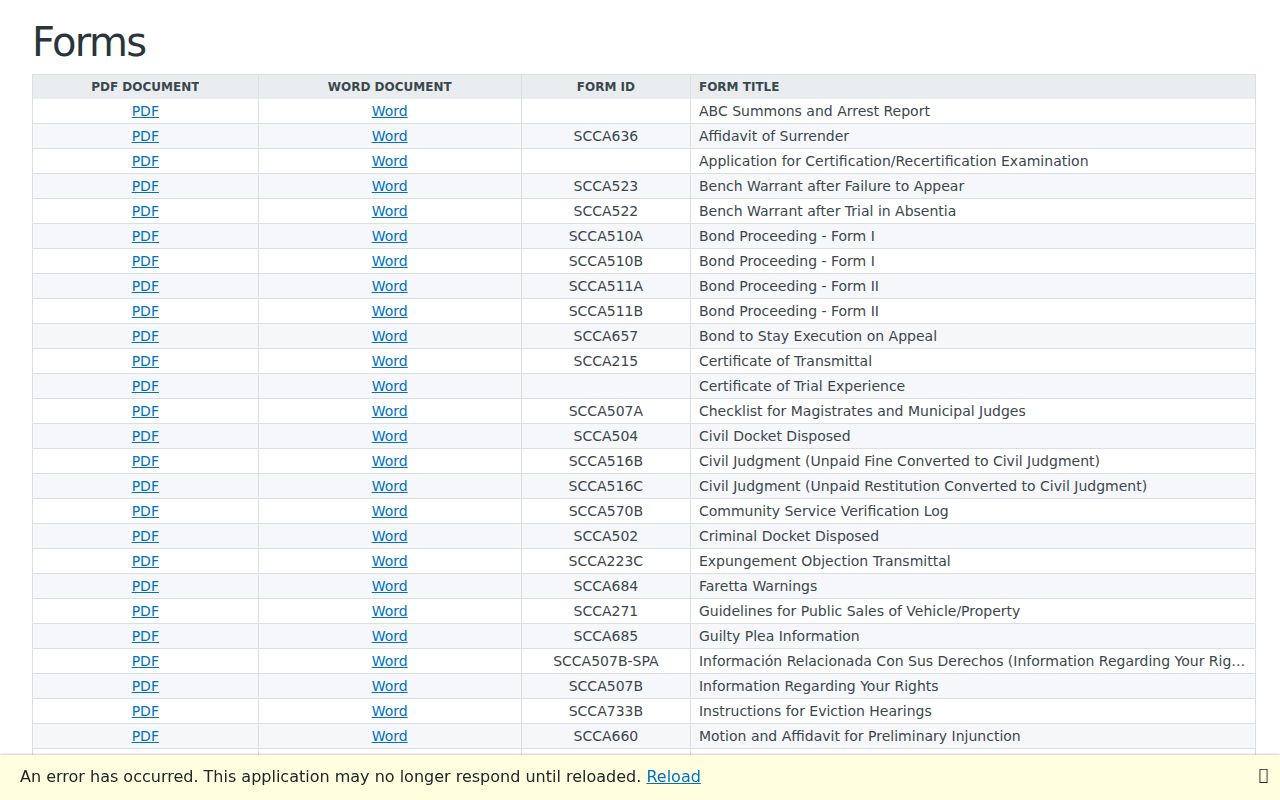
The state forms page supplies the form names used by Lee summary courts.
How a Lee County Bench Warrant Is Issued
Every Lee County bench warrant begins with a duty. The court sets a date or a bond condition first. Fail to appear or comply, and the judge can issue process under the court's own rules. Venue splits the work. A magistrate in Lee County handles summary criminal and traffic matters, General Sessions runs its criminal docket, and Bishopville Municipal Court takes city ordinance and traffic cases. Once signed, the warrant is recorded and routed through the court and law enforcement for service. The Lee County Sheriff may end up holding it. Recall power stays with the judge alone. No local rule sets a notice period, grace window, walk-in docket, or standard recall fee for every Lee County case.
The Lee County Bench Warrant 24-Hour Return Rule
SCCA523 puts a clock on things. A person arrested under that form goes before the issuing court within 24 hours. The form also tells the jail to hold that person until the court discharges them. That is the order speaking after an arrest. It does not create a public surrender counter, and walking into an office is no promise you will skip booking. A South Carolina court-administration memo adds a wrinkle. In some first missed-date situations, rescheduling may be preferred, especially when an unrepresented person needs time to line up counsel. The court's local instruction still governs a Lee County case. One division can treat a missed date differently from another. Call the clerk or the court before assuming anything. The statewide summary-court memo lays out its discussion of rescheduling and the form.
Lee County Bench Warrant vs Arrest Warrant
A bench warrant follows a missed court duty or bond condition inside an existing case. An arrest warrant rides on criminal process and a probable-cause showing. Both authorize an arrest. The reason and the record path differ, though. In Lee County, the case number tells you which order you are dealing with.
| Point | Bench warrant | Arrest warrant |
|---|---|---|
| Common trigger | Missed date or bond condition | Criminal complaint supported by the required showing |
| Case context | Often an existing case | May begin a criminal case |
| Issuing office | Judge of the case | Magistrate or other authorized judicial officer |
| Who can clear it | Issuing court | Issuing court |
Lee County Bench Warrants Stay With the Issuing Court
Lee County splits its courtrooms across town. The Clerk of Court sits at the Lee County Courthouse, 123 South Main Street. Magistrate and Bond Court sit at the Judicial Center, 115 Gregg Street. Bishopville Municipal Court sits at 114 East Council Street. Each office keeps its own records, so a sheriff service question and a recall request go to different desks.
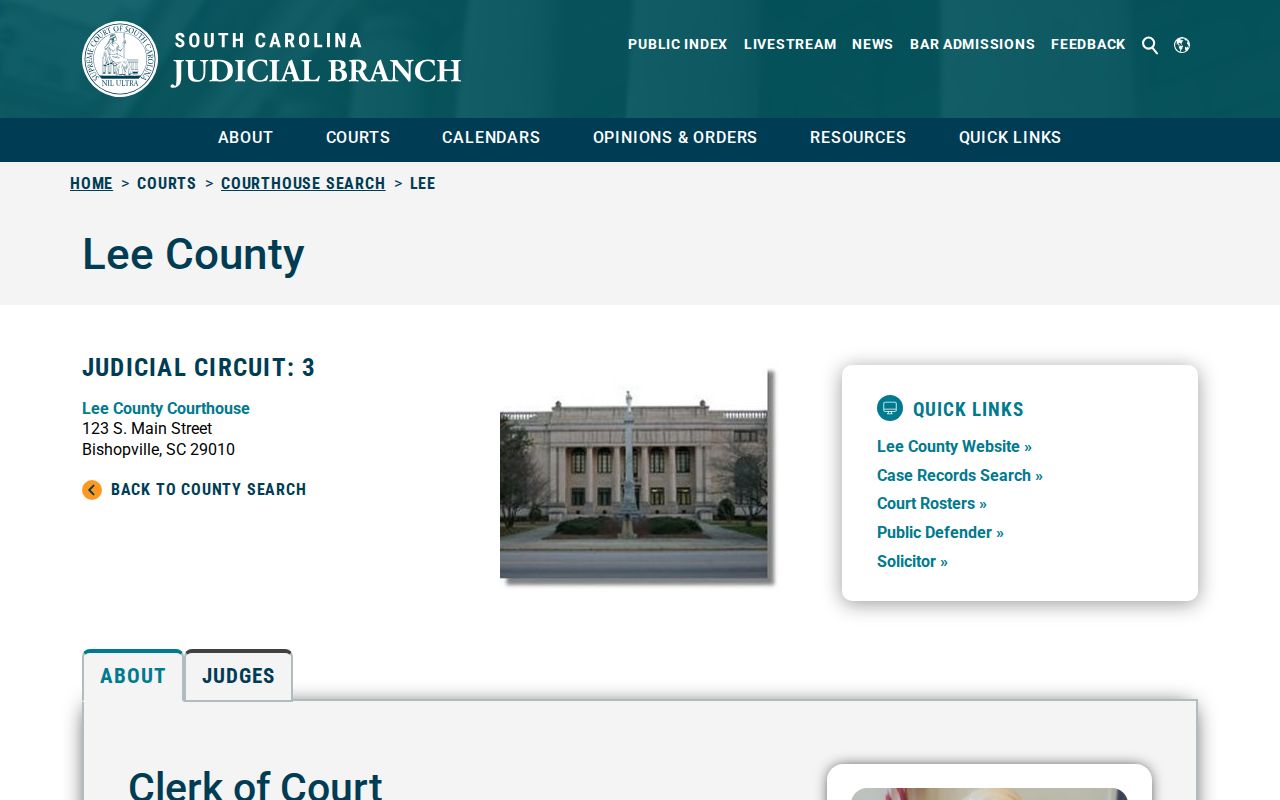
The directory separates the courthouse, the summary-court center, Bond Court, and the Bishopville court. Check the Lee County Judicial Branch directory before calling about a file.
How to Resolve a Lee County Bench Warrant
Ask the issuing court directly about active status, bond, the next appearance, and any motion or reset process. A lawyer can reach the court or the solicitor and arrange a lawful appearance for you. Lee County publishes no walk-in surrender schedule, no bond window hours, and no universal recall fee.
- Use the Public Index or ticket search to identify the likely case and court.
- Call that court and ask what order is active and where the person should report.
- Ask counsel whether a recall, quash, reset, or court appearance is available.
- Confirm bond amount, payment route, identification needs, and any booking instructions directly with the court.
- After the judge acts, keep the order or receipt and confirm the next case date.
Caution: Do not go to a jail or office based on a guess. Confirm the Lee County court, appearance place, and bond instructions first.
Lee County Bench Warrant Bond Terms Need Confirmation
South Carolina bonds come in personal-recognizance and secured forms. Surety, cash, and percentage options appear when allowed. The judge sets the terms for the matter. Lee County posts no bond schedule, no processing fee, and no public bond-window instructions. The state's appearance-bond law requires the person to appear and obey court orders. A bench warrant can bear on bond discharge. A June 2026 administrative order also directs counties to route warrant, checklist, and bond papers among magistrates, municipal judges, and the Clerk within the stated process. The South Carolina appearance-bond chapter spells out the statewide conditions.
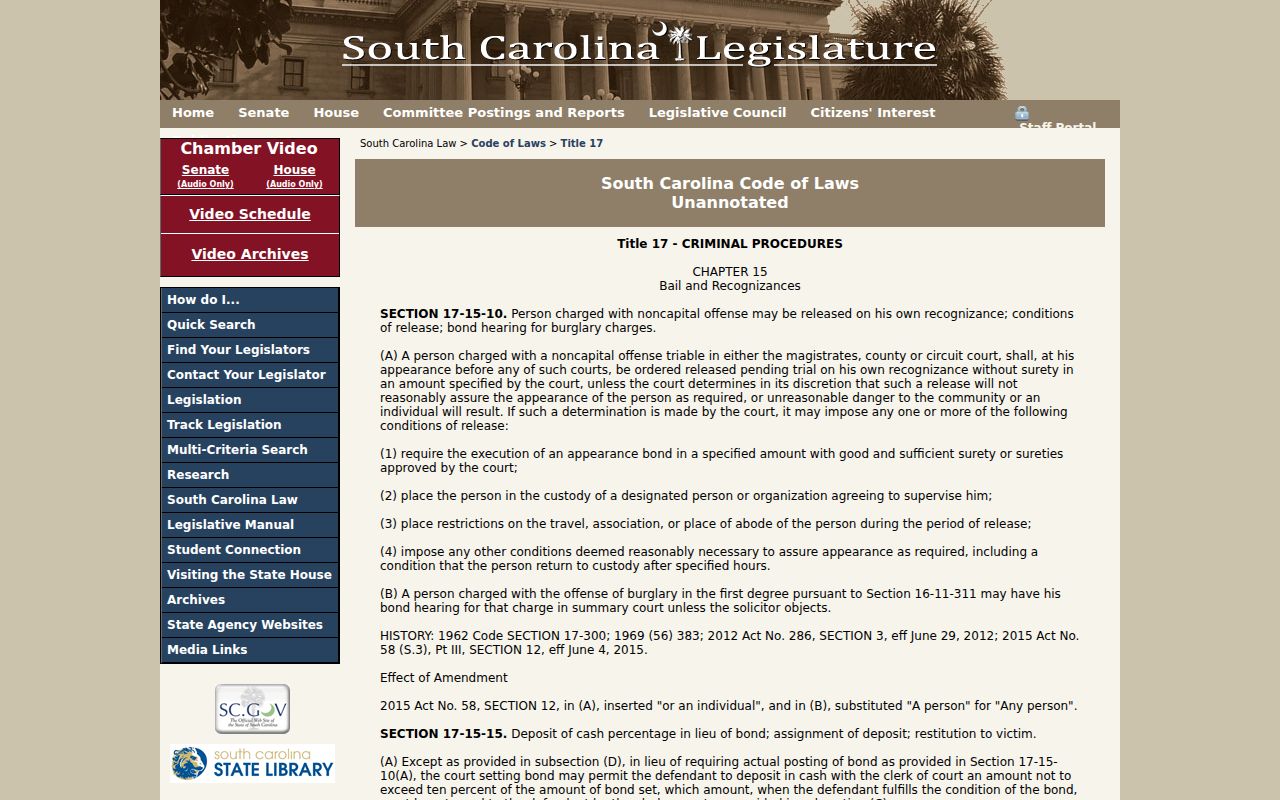
Confirm Lee County bond terms with the court that issued the warrant.
Which Lee County Court Issued the Bench Warrant
Your paperwork names the court, so start there. General Sessions cases run through the Lee County Clerk of Court. Summary criminal and traffic matters belong to Lee Magistrate. Anything from Bishopville city goes to its municipal court instead. Family Court and the Clerk handle child-support enforcement on a separate track from the criminal Public Index, so route those papers that way. Lynchburg is the tricky one. A May 2023 state report listed a municipal court there, yet the current directory and the August 2025 report leave it out. Before trusting the older listing on a Lee County bench warrant, confirm the town's court status with Lee Magistrate. For phone numbers and office details across Lee County, see the Lee County warrant overview.
Lynchburg's Old Lee County Bench Warrant Row Needs Confirmation
Lynchburg's court line item changed, and it matters for anyone chasing a Lee County bench warrant. The May 2023 Judicial Branch pending-cases report gave Lynchburg Municipal Court eight pending criminal and traffic cases. The August 1, 2025 report carries no Lee or Lynchburg row at all, and the current municipal directory lists Bishopville alone. That shift might just be a reporting or operating change; it does not settle whether the town still has a court. An older state directory also flagged the Lynchburg Police Department as "NOT ACTIVE," so treat its phone and mailing details as history rather than a live warrant contact. Before paying through a town site or mailing anything to an old address, ask Lee County Magistrate which court now owns the matter. The 2023 court report and the 2025 report show the difference.