
How to Check for a Warrant in Lee County
Work from the likely court outward. The South Carolina Trial Court Public Index routes you into Lee County case records, including General Sessions and participating municipal matters. Got a traffic citation instead? That belongs in the state's separate ticket search. Neither tool acts as a live county warrant roster, and the Lee County Sheriff's Office posts no public warrant search of its own. So match the search to the case, then verify by phone. Keep your citation or case number close, and enter your own name and date of birth when a search asks. A relative can help collect basic details, though the court decides what it may disclose. Whatever a search returns, get a direct status check from the issuing court before acting on it.
- Search the Lee Public Index for a Circuit Court case or a participating municipal case.
- Use the South Carolina Traffic Ticket Search for your own citation, starting with its citation-number option.
- Call the court that set the date: the Clerk of Court, Lee Magistrate, or Bishopville Municipal Court.
- For service or warrant status, call Lee County Sheriff's Records/Warrants. Ask which court issued the process.
- If a search is blank or a warrant may be active, ask the issuing court about counsel, bond, recall, or a new setting before appearing.
Lee County Warrant Search Tools Have Different Jobs
Each search tool has its own job. The Public Index looks through court cases, not a single statewide warrant list, and its filters cover case number, party name, court agency, case type, action, and date range. The result grid can display a filed date, case status, court agency, and docket history. What it does not promise is a current-warrant field for every Lee County case. The Traffic Ticket Search is narrower still. It returns ticket and payment information for Summary Courts and some participating municipal courts. A missing citation may sit with a court outside the service, or it may simply need a phone call. Lee County readers should treat both tools as a first step. The issuing court confirms the live record.
Types of Warrants in Lee County
South Carolina court forms use precise labels. A Lee County arrest warrant belongs to criminal process. A bench warrant follows a failure to appear. Search warrants authorize a search on a sworn showing, and Family Court can issue its own enforcement process. The clerk you need depends on which court issued the order.
| Warrant type | How it arises | Who issues it |
|---|---|---|
| Arrest warrant | Issued on the required criminal showing | Magistrate or other authorized judge |
| Bench warrant | May follow a missed date or bond condition | Judge of the case |
| Search warrant | Authorizes a search under a sworn affidavit | Authorized judicial officer |
| Family Court warrant | Enforces a family or child-support order | Family Court |
Lee County Bench Warrant Return Step Under SCCA523
South Carolina's SCCA523 form is titled “Bench Warrant after Failure to Appear.” It records the missed date, case, charge, issuing judge, and service return. The form directs an officer to take the person into custody and bring that person before the court within 24 hours. That instruction sits on the court form. It is not a Lee County walk-in schedule. The statewide summary-court memo adds that rescheduling may be preferred for some first-missed-date situations, especially where counsel has not been arranged. Lee County residents should call the court that set the date and ask which process applies. A general search result cannot decide whether a warrant should be recalled. For the official form names, read the South Carolina Summary Court forms list.
What a Lee County Warrant Record Shows
Statewide forms and records memo describe the fields that may identify a Lee County warrant. No Lee-specific public sample or number pattern is published. Match the court, case, and dates first, then ask the clerk or sheriff to confirm whether the warrant is active, served, returned, or recalled.
| Warrant number | Format varies by court |
|---|---|
| Case and charge | Case number, offense, and date tied to the order. |
| Issuing court | Lee Circuit, Magistrate, Bishopville Municipal, or Family Court, as applicable. |
| Service return | Officer or agency, date served, return date, and result. |
| Bond and conditions | Set by the court; no Lee-wide amount is published. |
| Current status | Confirm active, served, returned, recalled, or quashed with the issuing office. |
Lee County Warrant Search Results Are Not Live Status
Search results lag real life. The Public Index can list case events, yet its guide promises no universal warrant-status field. A newly issued order may not have reached the index yet. A served or recalled one may take time to show as changed. Municipal participation is only partial, and Family Court runs on a separate route. A blank result, in short, is not proof that no Lee County warrant exists. Ask the issuing court which record it holds, and call the sheriff's Records/Warrants contact about service. Sealed, juvenile, and active-investigation material may be missing or limited by law.
Who Issues and Serves Lee County Warrants
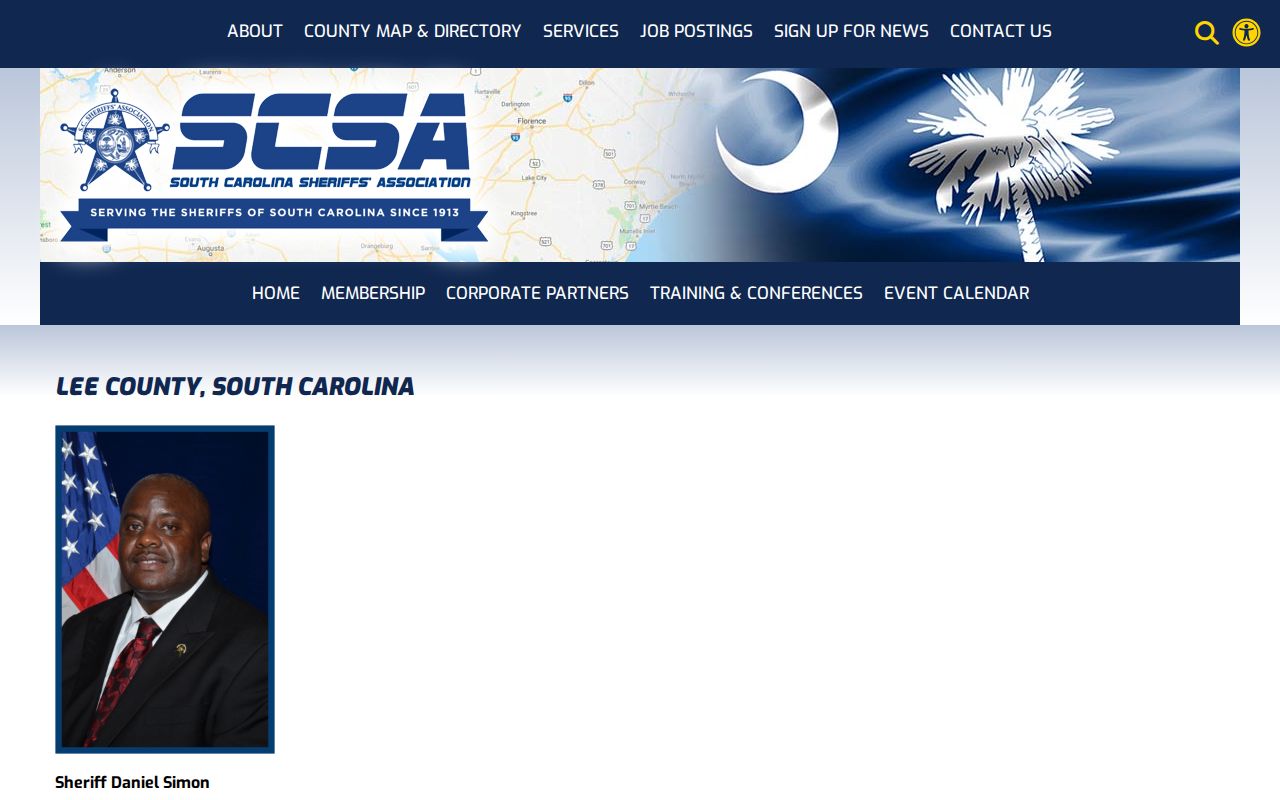
Lee County courts issue warrants; law enforcement serves them. The Magistrate handles summary criminal and traffic matters and holds arrest-warrant authority. Bishopville Municipal Court takes city cases. The Lee County Clerk of Court keeps Circuit Court and General Sessions records. The sheriff's role is service and Records/Warrants contact, and no public warrant database appears from that office. The South Carolina Sheriffs' Association lists Records/Warrants at the Lee County Sheriff's Office, a directory useful for contact routing rather than as a warrant list. Lee County's official homepage links residents to county offices. That page lays out the public-facing county system.

Pinpoint the right Lee County office first, then let the clerk or sheriff confirm any active warrant.
Lee County Sheriff's Office, Records/Warrants
113 Gregg Street
Bishopville, SC 29010
(803) 484-5353
The association directory identifies the Records/Warrants function.
Call the main office and ask for Records/Warrants or Courts.
Lee County Warrant Cases Use Separate Court Counters
Three counters split the court work in Lee County. The courthouse at 123 South Main Street houses the Clerk of Court. The Judicial Center at 115 Gregg Street handles Magistrate and Bond Court, and Bishopville Municipal Court sits at 114 East Council Street. All sit near the county seat, yet each does a different job. Match your ticket or missed date to the court named on its notice. The courthouse directory lists Circuit 3 along with each court's contacts. It publishes no warrant extension, drop box, surrender time, or bond-window hours. Call first before you travel or send money. The Lee court directory covers the courthouse, Magistrate, Bond Court, and Bishopville Municipal Court.
What to Do If You Have a Lee County Warrant
Start by confirming which court issued the warrant. A Lee County sheriff deputy can explain service details, but only the issuing court can recall, quash, or reset it. Ask whether counsel may contact the judge or solicitor, whether a bond is set, where you must appear, and what proof or identification to bring. Missed a General Sessions date? Work through counsel and the Clerk's instructions. For a Magistrate or Bishopville Municipal matter, call that court directly. A Family Court warrant follows the Family Court route. Never assume payment alone removes a Lee County warrant or closes the case.
Important: Speak with a South Carolina lawyer and the issuing court before you appear; Lee County publishes no walk-in surrender schedule.
A Lee County Warrant Bond Does Not Close the Case
South Carolina's bail forms split a personal-recognizance bond from surety, cash, and percentage options. The judge picks the form. Lee County publishes no bond schedule, card policy, bond-window hours, or warrant-clearance fee. So ask the issuing court where it takes payment and whether bond court handles the first appearance. A bond secures release and a promise to return on the court's terms. It does not settle the charge. Keep your receipt after any order or payment. Then ask when Lee County's court and sheriff records will update. Confirm the next court date separately. The South Carolina bond law sets out appearance-bond conditions and the effect of a bench warrant.
Public Access to Lee County Warrant Records
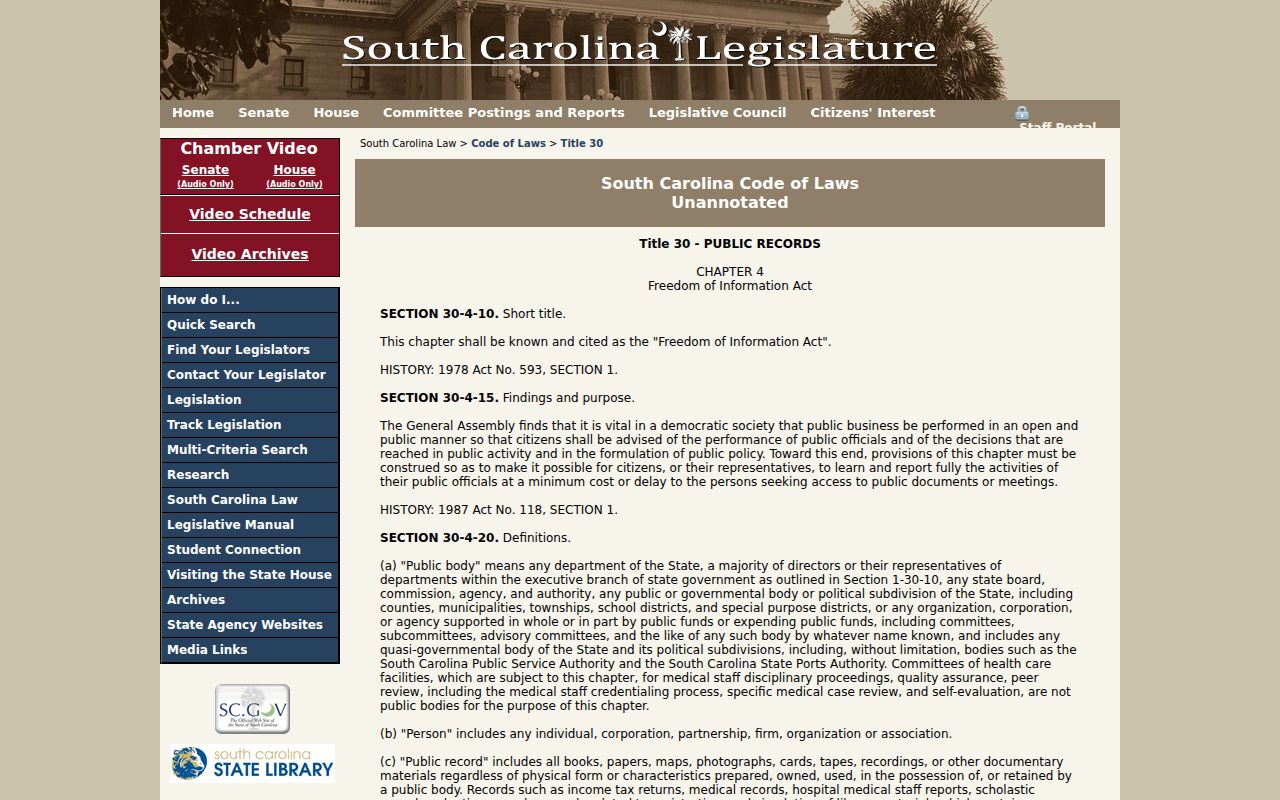
South Carolina's Freedom of Information Act opens existing public records, though exemptions apply. A written request is the tool. It should name the Lee County Sheriff's Office or the court, describe the requester's own case or a known warrant, give a date range when possible, and state a preferred format. If anything is withheld, ask for the legal reason. Records tied to an active investigation may stay closed. So may parts of any file. Juvenile court and law-enforcement files are confidential unless state law allows access. A public court index still does not make every warrant or investigation file public.
Key rules:
S.C. Code Ann. § 30-4-30 allows inspection, copying, or electronic delivery of nonexempt public records.
S.C. Code Ann. § 30-4-40(a)(3) permits limits on some law-enforcement records.
S.C. Code Ann. §§ 63-19-2010 through 2030 protect juvenile records with defined exceptions.
Lee County Warrant Access Has Limits
Both tools stop short of a full warrant answer. The Public Index holds case information, not every law-enforcement file. The Lee County Sheriff posts no official public warrant list. SLED CATCH is a paid criminal-history check, and it states outright that wanted-person information is not included. So a no-result from either system settles nothing, and questions about an active warrant still go to the issuing court or the Records/Warrants office. Lee County also has no public statewide self-service warrant repository to fall back on. Keep those limits in mind when a record is new, sealed, juvenile, municipal, or tied to a family matter. The state statute spells out what access is allowed and where it stops.
A written request only asks for records that already exist. It cannot make Lee County create a new warrant list.
Lynchburg Warrant Records Need Court Confirmation
The 2020 Census table lists two incorporated places in Lee County: Bishopville and Lynchburg. Bishopville's court holds a current Judicial Branch directory entry. Lynchburg showed up in a May 2023 state pending-cases report. The current municipal directory and the August 2025 report omit it. That gap is worth a phone call. Confirming current town and court status is not proof that a town court no longer operates. See the Census incorporated-place table for its 2020 figures.
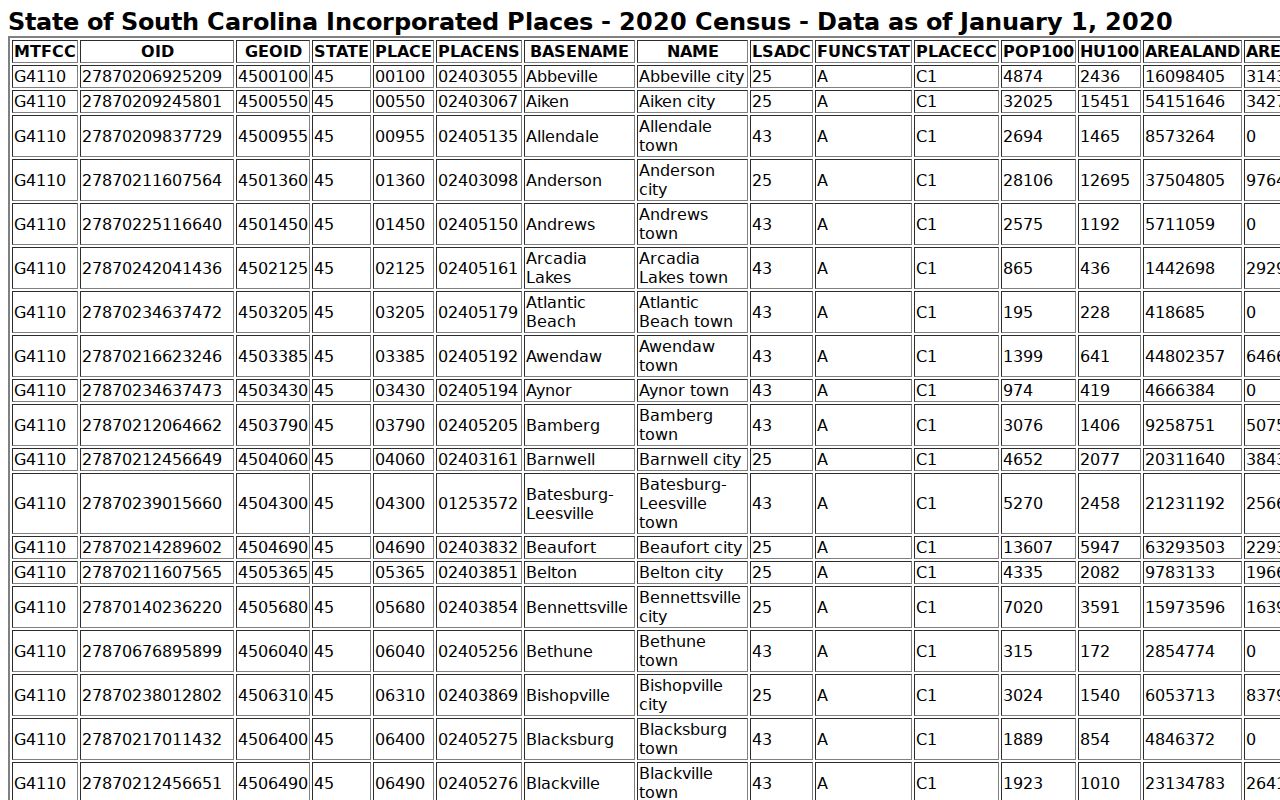
The 2020 population counts are 3,024 for Bishopville and 318 for Lynchburg.
Warrant Records by City in Lee County
Lee County holds two incorporated places in the 2020 Census table: Bishopville and Lynchburg. So two local pages follow. Bishopville has a current municipal-court contact. Lynchburg's older court and police references need fresh confirmation. Start with the city information, then turn to Lee County Magistrate or the sheriff once county service begins.
Bishopville Warrant Records
3,024 in the 2020 Census · current municipal-court contact
Lynchburg Warrant Records
318 in the 2020 Census · current court status unconfirmed